
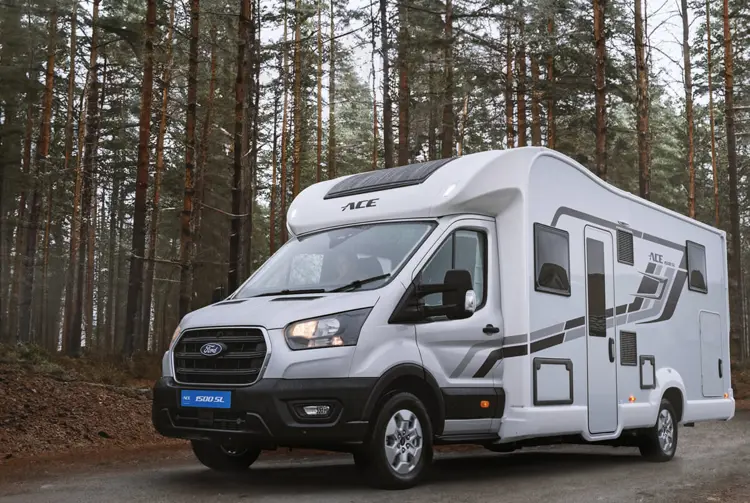

Wild camping has quickly become one of the most rewarding ways to explore the UK - particularly for those travelling by motorhome or campervan.
There really is no other way to see as much of the beauty the UK has to offer. It provides the freedom to leave behind busy campsites and fixed pitches and instead enjoy peaceful, scenic locations that feel completely your own.
Just before you head off, however, it’s a good idea to learn a little more about how it works throughout the UK.
What is wild camping?
Wild camping, simply put, means staying overnight in your motorhome somewhere that is not a designated campsite. These locations can include rural laybys, quiet coastal viewpoints, forest edges or scenic mountain roads. It is a chance to enjoy nature, disconnect from the usual routines and experience a deeper sense of adventure.
Although it may sound similar to standard camping, wild camping has a different spirit. It is based on being discreet, respectful and self-contained. You don’t set up outdoor furniture, large awnings or equipment. You simply stay the night, appreciate the surroundings and leave with no trace of your visit.
Is wild camping legal in the UK?
The rules around wild camping vary across the UK, and this can be one of the most confusing aspects for new motorhome travellers. In England and Wales, wild camping without permission from the landowner is not technically legal. However, many quiet rural areas tolerate one-night stays if you remain respectful and leave early.
Scotland is often seen as more flexible, but the right-to-roam laws apply to individuals on foot, not to vehicles. This means motorhomes still require permission or must stay in areas where it is clearly permitted.
In Northern Ireland, local authorities may have their own rules and signage, so it is important to check each location carefully.
Because policies differ so widely, the safest approach is to always check local signage and trust your judgement. If an area looks unsuitable or stressed by tourism, it is better to move on.
To help determine whether a place is likely to be suitable:
- Look for clear signs relating to overnight stays
- Avoid crowded or residential areas
- Choose spots that are already used by other motorhome travellers
- Always be prepared to move if asked
Respecting the environment while wild camping
One of the most important aspects of wild camping is ensuring that your visit doesn’t negatively impact the environment or local community. That’s essential. Many issues that lead to restrictions come from a small minority who leave rubbish behind, block access or disturb the area. Being considerate protects both the landscape and the future of wild camping.
A simple way to reduce impact is to arrive later in the day and leave early the following morning. This keeps your presence discreet, avoids appearing like a long-term setup and reduces traffic in sensitive areas. Keeping noise levels low is equally important, especially when wildlife or nearby homes may be affected. A general rule of thumb is to leave every place exactly as you found it, or even cleaner, which helps maintain a positive reputation for motorhome travellers across the board.
A few reliable principles to follow include:
- Take away every piece of rubbish, including food waste
- Avoid fires or disposable barbecues
- Do not block gates, tracks or passing areas
- Respect privacy and keep noise to a minimum
Choosing a good wild camping spot
Finding the right place to spend the night is part of the joy of wild camping. Many travellers use mobile apps and online communities to discover safe and scenic stops. Rural laybys, coastal roads and quiet countryside pull-ins often make good short stays, as long as there are no signs indicating restrictions. Some pubs, farms and local attractions welcome motorhomes overnight if you support their business or ask in advance too.
Remote rural areas can offer unforgettable sunrise views, but make sure you are not on private land or obstructing anything important. That’s the important bit.
It helps to choose places that offer a balance of safety, privacy and practicality. Flat ground is essential, and somewhere with limited passing traffic often provides the most peaceful night.
Before committing to a spot, check for:
- Clear signs that allow or restrict overnight parking
- A flat, stable surface for your motorhome
- Safe surroundings with enough space to park sensibly
- Distance from homes or busy footpaths
Preparing your motorhome for off-grid stays
Wild camping relies heavily on the motorhome itself, which is why travelling with a fully equipped vehicle makes a big difference. You need enough water, power and supplies to be completely self-sufficient for the night. It’s also wise to make sure your waste tanks are empty before setting off and knowing where you can responsibly dispose of them afterwards is essential.
You should also check your leisure battery, heating system and cooking equipment before choosing an off-grid stay, as those can catch you out quickly. If you are planning multiple nights away from campsite facilities, solar panels can help maintain battery charge, and bringing enough food and water will keep everything simple and stress-free. Just keep an eye on your essentials.
Is wild camping safe?
Most people find wild camping in a motorhome to be a safe and peaceful experience. The key is choosing your location wisely and trusting your instincts. Well-lit rural laybys, remote scenic points and designated overnight parking areas are generally good options. Avoid isolated urban car parks or places that feel unsuitable. Keeping your doors locked, staying aware of weather conditions and remaining prepared to move if needed will help make sure you have a comfortable night.
Some good safety habits include:
- Locking all doors before settling in for the night
- Avoiding areas prone to flooding, heavy winds or soft ground
- Moving on immediately if a location feels wrong
- Parking with a quick exit route if possible
Final thoughts
Wild camping offers something that traditional travel rarely can - a genuine sense of freedom. At the same time, that freedom comes with responsibility. The future of wild camping in the UK depends on how respectfully it is approached today. By staying considerate, following local guidance and leaving no trace, motorhome travellers can continue to enjoy these unique experiences for years to come.
If you’re new to wild camping, start small. Choose a simple overnight stop, stay organised and take the time to build confidence in your setup. With experience, you’ll quickly discover what works best for you and how to find those truly special locations.
Ultimately, wild camping is about slowing down, appreciating your surroundings and travelling with intention. When done properly, it transforms a simple trip into something far more memorable - and often far more rewarding too.