
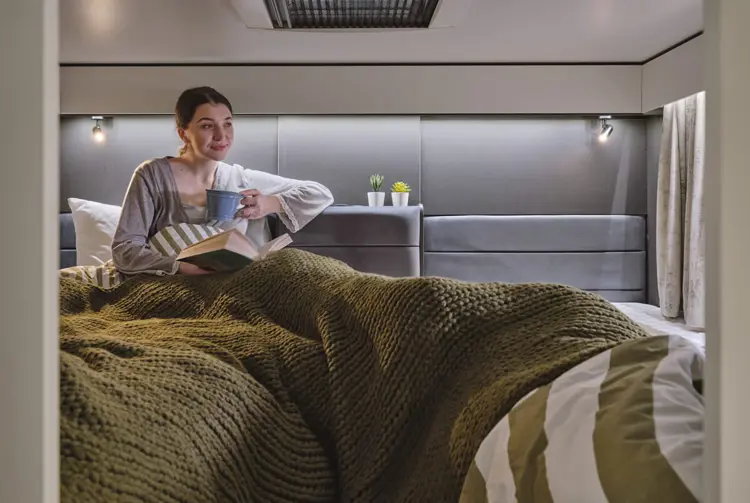

If you are considering buying a motorhome or campervan, insulation is one of the most important factors to understand.
After all, good insulation affects comfort, usability throughout the year, heating efficiency and even long-term durability.
While all leisure vehicles include some level of insulation, the type, quality and overall performance can vary depending on the vehicle and how it is built.
Why insulation matters in leisure vehicles
In a nutshell, insulation helps regulate internal temperature by reducing heat loss in colder conditions and limiting heat gain during warmer weather. In practical terms, that means your living space stays warmer for longer when the heating is on and remains more comfortable in summer. Essential for year-round enjoyment.
That’s not all, though. Well-insulated vehicles also reduce condensation, improve sound insulation and lower energy usage when heating systems are running. As a result, for UK touring, where weather conditions can change quickly, that means insulation plays a major role in overall comfort and practicality, no matter what the weather may look like.
Insulation in motorhomes
Motorhomes tend to offer the strongest insulation, particularly models designed for extended touring or year-round use. Because the living space is integrated into the vehicle body, insulation is built into the walls, roof and floor during manufacturing rather than added later, efficiency tends to be in every design decision.
Put into context, motorhomes typically feature insulated cab areas, thermal blinds, double glazed windows and insulated water systems all working together. This helps protect against freezing temperatures and allows comfortable use in cooler conditions.
Insulation in campervans
Campervans are insulated, but often to a slightly lesser degree than caravans or larger motorhomes. Because they are converted from standard vans, the insulation thickness is limited by the vehicle structure.
Most campervans use insulation behind wall panels, in the roof lining and beneath the flooring where possible to do so. This is usually more than sufficient for spring, summer and early autumn use, but in colder months, heat loss can be more noticeable, especially around windows and doors.
Some campervans are designed with enhanced insulation packages, including thermal screens and upgraded heating systems, which improve comfort for off-season trips. As a general rule of thumb, again, going with a brand that is known for quality builds is the better choice vs many of the standalone converted van options on the market.
Can you use them all year round?
Modern motorhomes and campervans are suitable for year-round touring, particularly models built with cold weather performance in mind. Look for features such as insulated floors, sealed underbodies, efficient heating systems and double glazing to give you a better idea of what that might look like.
Campervans can also be used throughout the year, but winter touring may require additional preparation. This can include thermal window covers, careful ventilation management and external insulation accessories. Some small details make a big difference.
Your destination choices and tolerance for cooler temperatures all play a part in how comfortable year-round touring feels, so remember to consider that too.
What to look for when choosing a well-insulated model
When shopping for a motorhome or campervan, insulation should be considered alongside layout and features. Ask about wall construction, floor insulation, window glazing and heating performance.
It is also worth checking whether the model has been tested to recognised thermal standards and how it performs in real-world UK conditions.
Good insulation is not just about warmth. It improves overall comfort, reduces running costs and makes touring more enjoyable whatever the season.